Can Dogs Eat Blueberries? The Honest, Vet-Checked Answer
Medically reviewed by Justin Shmalberg, DVM, CVA, ACVN, ACVSMR — For general education — not a substitute for veterinary care.
Yes, dogs can eat blueberries — plain, fresh, and portioned to roughly ten percent of daily treats.
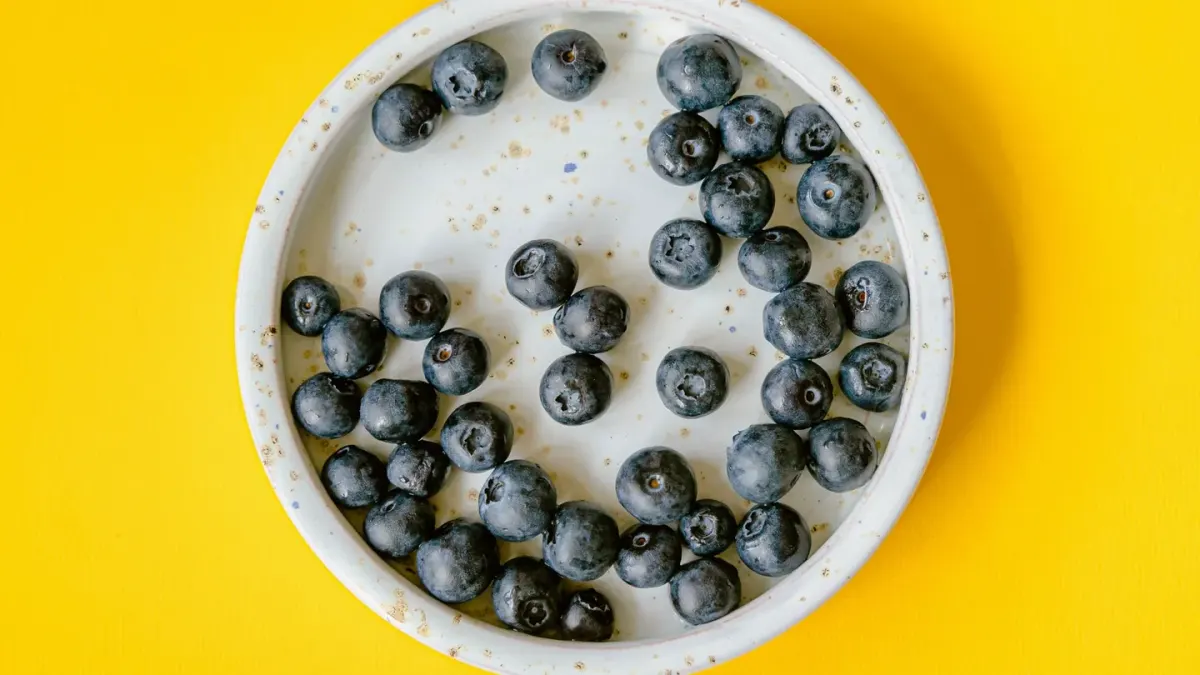
Here’s the decision fork: your dog is staring at the blueberry that just rolled off the counter, and you have about two seconds to decide whether to let it happen or dive for it. Good news first — you can probably relax.
Blueberries have had a moment on pet TikTok for a while now, usually framed as a tiny purple superfood that will fix everything from joint stiffness to dull coats. The truth is less dramatic and more useful: blueberries are a genuinely safe fruit for most dogs, but “safe” and “cure-all” are not the same claim, and this article is going to stay on the safe side of that line.
American Kennel Club calls blueberries “a great source of minerals, antioxidants, and more,” and — critically — they contain no known toxins that are harmful to dogs. That puts them in a completely different category from grapes and raisins, which Can Dogs Eat Grapes?: PetMD’s guide to grape toxicity describes as unpredictable and potentially fatal even in small amounts, sometimes causing acute kidney injury in one dog while leaving another unaffected after the same dose. If you’ve been nervously Googling every fruit in your kitchen because of a grape scare video, blueberries are not that story.
Start here: rinse the berries, skip anything canned or in syrup, and offer them plain. Can Dogs Eat Blueberries? Benefits and Risks: PetMD notes that blueberries bring fiber, vitamins, and minerals to the table, and the antioxidant load — largely from anthocyanins — is the actual nutritional case for feeding them at all, not folklore about turning gray muzzles youthful again. I’d rather a client feed a handful of real berries for the fiber and antioxidant contribution than reach for a gummy chew promising the same thing at a markup.

Picture a 9-pound terrier mix at a backyard barbecue, working the perimeter for dropped food the way small dogs do. Someone tosses her a whole blueberry as a reward for sitting, and she inhales it without a single chew — that’s the moment worth slowing down for. Round, smooth, roughly pea-sized produce is a legitimate choking risk for toy and small breeds, and for any dog that treats treats as a race rather than a meal. The fix isn’t avoidance, it’s prep: mash the berries into a paste, halve them, or fold them into a slower food like plain cottage cheese so the dog has to work a little for it. That single adjustment does more for safety than worrying about the fruit itself.
Portion is where the internet gets sloppy. A rough, workable rule: treats of any kind — blueberries included — should stay around 10% of a dog’s daily calories. In practice that’s something like two to three berries for a toy breed and up to roughly ten for a large dog, per Embrace Pet Insurance’s feeding guidance. That’s a starting point, not a prescription — a dog already managing weight or blood sugar needs a smaller allowance, and one already getting fiber from a fortified diet doesn’t need blueberries stacked on top for the same benefit. If your dog’s stool has ever gone soft after a fruit binge, that’s your answer: you found the ceiling for that dog, and it’s lower than the chart says.
Fresh, frozen, or freeze-dried all work nutritionally; the differences are mostly texture and convenience. Frozen berries make a fine warm-weather treat, though I’d introduce them slowly since very cold, firm fruit can be harder on some dogs’ stomachs and teeth than fresh. Freeze-dried versions concentrate sugar and calories per gram simply because the water is gone, so the same small handful goes further than it looks — resize the portion accordingly, don’t just swap format for format.
Where this article draws a hard line is processed blueberry products. Muffins, pie filling, and sweetened yogurts are where the actual danger hides, not in the fruit itself — added sugar, chocolate chips, or xylitol can turn an obviously fine ingredient into an emergency. If you’re going to be generous with fruit as a training reward, plain and unprocessed is the whole game.
Consider a dog already managing a sensitive gut on a fiber-forward diet or a daily probiotic — that dog doesn’t need a fistful of berries stacked on top to hit the same digestive goal, and doing so is how a good idea turns into loose stool. If digestive support is the actual reason blueberries are on your radar, it’s worth reading our take on how much fiber is too much for a dog before adding fruit on top of it, and checking whether a vet-checked probiotic is already doing that job. Dogs transitioning foods — especially seniors — deserve the same slow, deliberate approach laid out in our guide to switching a senior dog to new food, and the same skepticism-with-nuance that applies to sweet potato as a trending ingredient applies here too: popularity isn’t evidence, but it isn’t automatically a red flag either.
The BoutiqueTok verdict: blueberries earn their spot in the treat rotation. They’re low-risk, reasonably nutrient-dense, and a decent training reward if your dog isn’t diabetic or on a restricted diet. Cut them down for small dogs, keep the portion honest, and skip anything with added sugar wearing a blueberry label. That’s a trend that’s actually held up to the homework.
Frequently asked questions
Can puppies eat blueberries?
Small amounts are generally fine once a puppy is eating solid food, but cut or mash the berries first — puppies are more prone to gulping and choking than adult dogs.
Are frozen blueberries safe for dogs?
Yes, plain frozen blueberries are a popular warm-weather treat. Introduce them slowly, since very cold, firm berries can be harder on some dogs' teeth or stomachs than fresh ones.
Can dogs eat blueberry muffins or yogurt?
Skip processed blueberry products. Muffins, pie filling, and some yogurts can carry added sugar, chocolate, or xylitol, none of which belong in a dog's bowl even when the fruit itself is fine.
How many blueberries can a dog eat per day?
As a rough guide, keep treats — including blueberries — to about 10% of daily calories: a couple of berries for a toy breed, up to roughly ten for a large dog.
Sources
- Can Dogs Eat Blueberries? Are Blueberries Good For Dogs? — American Kennel Club
- Can Dogs Eat Blueberries? Benefits and Risks — PetMD
- Can Dogs Eat Grapes? — PetMD
- Can Dogs Eat Blueberries? | Benefits, Safe Amounts & How to Feed Them — Embrace Pet Insurance