Can Dogs Eat Mushrooms? Why the Grocery Store and the Backyard Are Two Different Questions
Medically reviewed by Justin Shmalberg, DVM, CVA, ACVN, ACVSMR — For general education — not a substitute for veterinary care.
Dogs can eat plain cooked mushrooms from the store, but wild mushrooms need to be treated as a poisoning emergency.
On this page
Dogs can eat plain cooked mushrooms from the store, but wild mushrooms need to be treated as a poisoning emergency, and those two facts get flattened into one confusing headline more often than they should. Mushroom coffee, mushroom chews, and “adaptogenic” mushroom powders have been all over feeds this year, and the algorithm doesn’t care whether it’s talking about a shiitake cap or a death cap. Owners deserve a clearer line than a trending sound gives them.
Imagine a small terrier mix on an early walk, nose down in the wet grass at the edge of a wooded yard, and a cluster of pale mushrooms has popped up overnight near the fence line. The owner has two seconds to decide whether to yank the leash or shrug it off as background scenery. That two-second decision is the whole article in miniature: is this the kind of mushroom that’s basically food, or the kind that sends a dog into liver failure three days from now while looking completely fine in the meantime? Nobody standing in a backyard can answer that by eyeballing it, and that’s the point worth sitting with before the trend moves on to the next ingredient.
Store-bought and wild mushrooms are not the same risk category
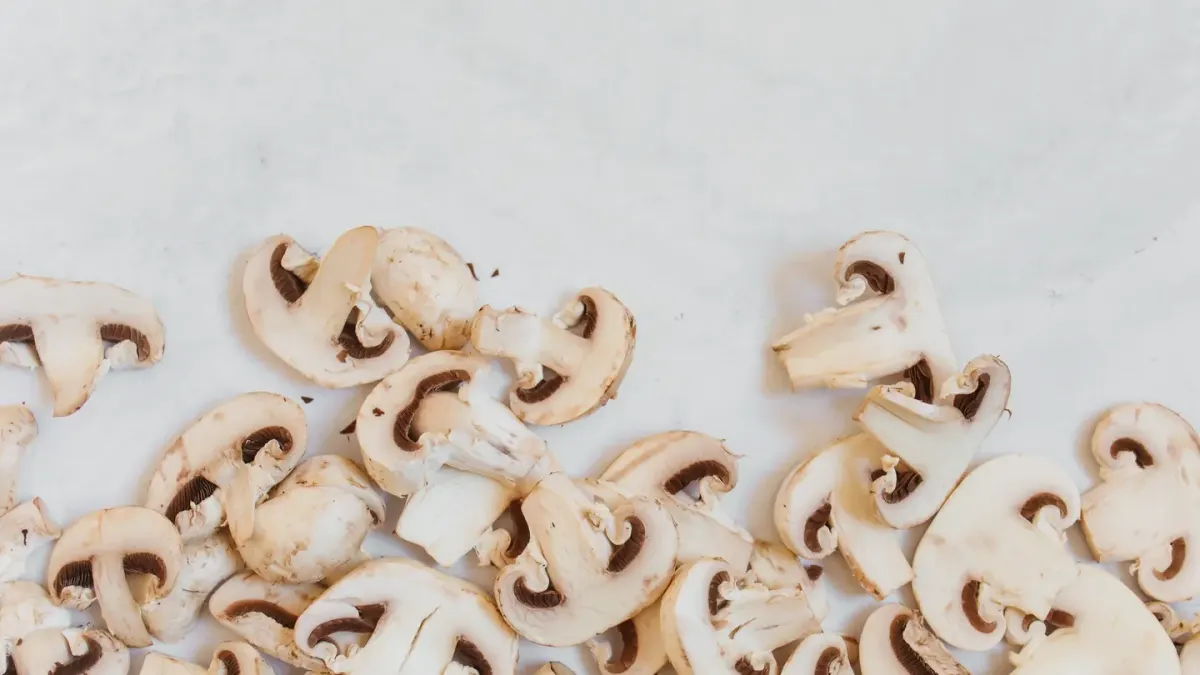
Plain, cooked, unseasoned mushrooms — white button, cremini, portobello, shiitake — are generally considered fine for dogs in small amounts, according to the American Kennel Club. The actual danger in most kitchen mushroom dishes isn’t the mushroom itself; it’s the garlic, onion, butter, and salt cooked in alongside it. That’s a seasoning problem, not a fungus problem, and it’s worth separating the two before assuming grocery-aisle mushrooms carry any special risk.
Wild mushrooms are a different conversation entirely. There are roughly 250 species of wild mushroom in North America known to cause toxicity in pets, and the ASPCA is blunt about the practical reality: most owners, and plenty of mycologists, can’t reliably tell a safe species from a lethal one on sight, especially at the stage a curious dog finds them — half-eaten, dirt-covered, and out of context. Treating every wild mushroom as toxic until identified by an expert isn’t caution for its own sake; it’s the only strategy that actually matches how hard identification is in the field.
What actually happens when a dog eats a dangerous mushroom
The mechanism matters more than the scare factor. Amatoxin-containing species, including Amanita phalloides, cause acute liver failure, and the timeline is what makes them so dangerous: signs can be delayed six to twenty-four hours, and a dog may even seem to recover briefly before crashing into organ failure days later, according to UC Davis School of Veterinary Medicine. Other species act faster and more visibly, triggering vomiting, drooling, tremors, or neurologic signs within an hour or two. A useful way to think about it, drawn from the toxicology literature summarized in dvm360, is that mushroom toxicity in dogs isn’t one syndrome — it’s several distinct poisonings that happen to share a mushroom-shaped delivery system, which is exactly why guessing based on symptoms alone is a bad plan.
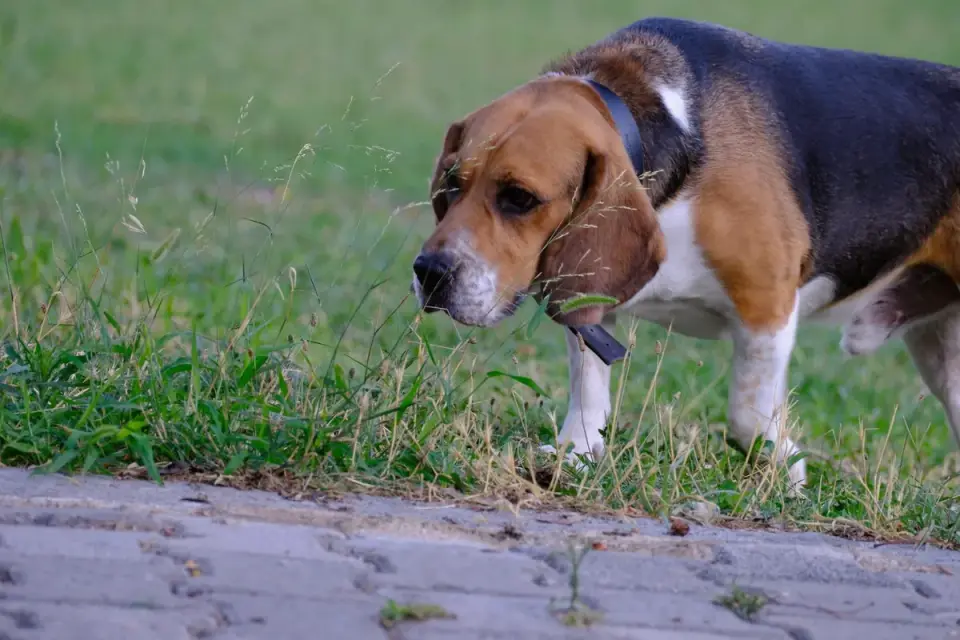
Consider a mid-size mixed breed that gets into a patch of mushrooms on a Sunday hike, eats an unknown amount before anyone notices, and then seems totally normal for the rest of the day — eating dinner, playing at the dog park, sleeping through the night. The false sense of security is the actual hazard here, not just the mushroom. By the time liver values start moving, in the worst cases, the window for the most effective decontamination has already narrowed. That’s the scenario that should override any instinct to wait and see: with an unknown wild mushroom, the decision has to be made in the first hour, not the third day.
The medicinal-mushroom trend gets weighed a little differently
Separate from the safety question, mushroom-derived supplements — turkey tail, reishi, lion’s mane — have picked up real traction as immune-support and gut-health additions to a dog’s diet, largely on the strength of their beta-glucan content. I stay cautious about how far that evidence actually travels: most of what’s marketed leans on general immune-support framing rather than condition-specific promises, and a supplement’s ingredient panel and sourcing matter enormously here, since mushroom-derived actives vary widely in potency and purity between products. Fiber and prebiotic content in general can support digestive comfort, which connects to a broader theme worth reading on its own: how too much fiber can undercut the benefit it’s supposed to provide, and how gradual introduction protects dogs the way it does with any new sweet potato or fiber-forward treat. If a dog’s stomach is already sensitive, that’s also the moment to look at gut support more broadly, including what gut microbiome research actually says about probiotic strains versus marketing claims.
The BoutiqueTok verdict
Plain cooked culinary mushrooms are a fine occasional addition for most dogs — not a superfood, not a risk, just an unremarkable vegetable. Wild mushrooms don’t get the benefit of the doubt, ever, regardless of how healthy a dog looks afterward. If a dog eats an unidentified mushroom outdoors, the practical next step is simple: call your veterinarian or an animal poison control line immediately, note the mushroom’s appearance or bag a sample if it’s safe to do so, and don’t wait for symptoms to make the decision for you.
Frequently asked questions
Can dogs eat raw mushrooms from the store?
Cooked is the safer bet. Raw mushrooms are tougher to digest and more likely to trigger GI upset, and cooking also makes it easier to confirm nothing questionable slipped into the package.
Are portobello, cremini, and shiitake mushrooms safe for dogs?
Plain and cooked, these common culinary varieties are generally considered safe in small amounts. Skip garlic, onion, butter, and heavy seasoning, which are the actual risk in most sautéed mushroom dishes.
What should I do if my dog eats a mushroom in the yard?
Call your vet or an animal poison control line right away, even if your dog seems fine. Some of the most dangerous mushrooms cause a deceptive delay of many hours before real symptoms show up.
Sources
- The Fungus Among Us: Mushroom Toxicosis — ASPCA
- Can Dogs Eat Mushrooms? Why These Fungi Can Be Dangerous — American Kennel Club
- Mushroom Toxicity in Dogs — UC Davis School of Veterinary Medicine
- Toxicology Brief: Mushroom poisoning in dogs — dvm360