How to Trim the Hair Between a Dog's Paw Pads
Trimming the hair between the pads isn't cosmetic upkeep — it's slip prevention, and it's how you catch a problem before it becomes a vet visit.
On this page
Here’s the checklist before you touch scissors to paw:
- Tool: blunt-tip or curved grooming scissors, or a quiet clipper with a #10 or #15 blade — never straight shears near skin
- Position: spread the toes so you can see the pad, not just the fur covering it
- Direction: trim fur even with the pad edge, working with the growth pattern, not against it
- Frequency: every 3–4 weeks for dogs with feathered or long-coated feet (Golden Retrievers, Cocker Spaniels, Doodles)
- Stop point: fur should sit flush with the pad surface — you’re not shaving skin bald
- Check while you’re in there: redness, cracked pads, foreign debris, or swelling between the toes
Now the why, because the why is what keeps you from doing this wrong.
The dog that made me actually explain this instead of just doing it
A Cockapoo I saw a few winters ago came in for what the owner described as “suddenly limping, no idea why.” Nine years old, 22 pounds, otherwise healthy. I sat her down on the exam table, spread the front paws, and found the problem in about four seconds: two matted clumps of fur packed with road salt and ice, wedged so tight between the pads that the dog had been walking on it like a marble in her shoe. No wound, no infection, just fur doing exactly what fur does when nobody trims it through a New England winter. We clipped it out in under two minutes and she was sound walking out the door. The owner’s exact words were, “I didn’t know that was even a thing you needed to check.” Most owners don’t, and that’s the actual gap this guide is trying to close.
What overgrown pad hair is actually doing to the foot
Fur between the pads isn’t just longer hair sitting on top of skin the way it does everywhere else on the body — it’s positioned to trap whatever the dog steps in. VCA Animal Hospitals describes interdigital cysts as an inflammatory reaction that starts when hair follicles between the toes get irritated, often from friction, foreign material, or repeated trauma in that space — and matted, moisture-holding fur is exactly the kind of setup that keeps that friction going. Add snow, ice, sand, grass seeds, or just everyday mud, and untrimmed fur becomes a wick that holds it all against the skin instead of letting it fall away.
The traction piece matters too, and it’s the one owners notice first. Dogs with fur growing out past the pad edge lose some of the grip that bare pad surface provides on hardwood, tile, or laminate — I hear “she keeps slipping on the kitchen floor” from owners of long-haired breeds more than almost any other flooring complaint, and the fix is usually a pair of scissors, not a vet visit.
When it’s more than a grooming issue
If the fur removal reveals redness, swelling, a foul odor, or a lump between the toes rather than just matted hair, that’s outside routine grooming territory. The Merck Veterinary Manual describes interdigital furunculosis as a painful condition involving ruptured hair follicles and secondary infection, and notes it tends to recur unless whatever’s driving the friction or irritation — conformation, allergies, embedded debris — gets addressed at the source, not just the symptom. I’ve watched owners keep clipping the fur every month for a year, thinking that alone would resolve a limp, when the dog actually needed an allergy workup. Trimming helps you see the problem. It doesn’t always solve it.
Doing it without a fight (or a nick)
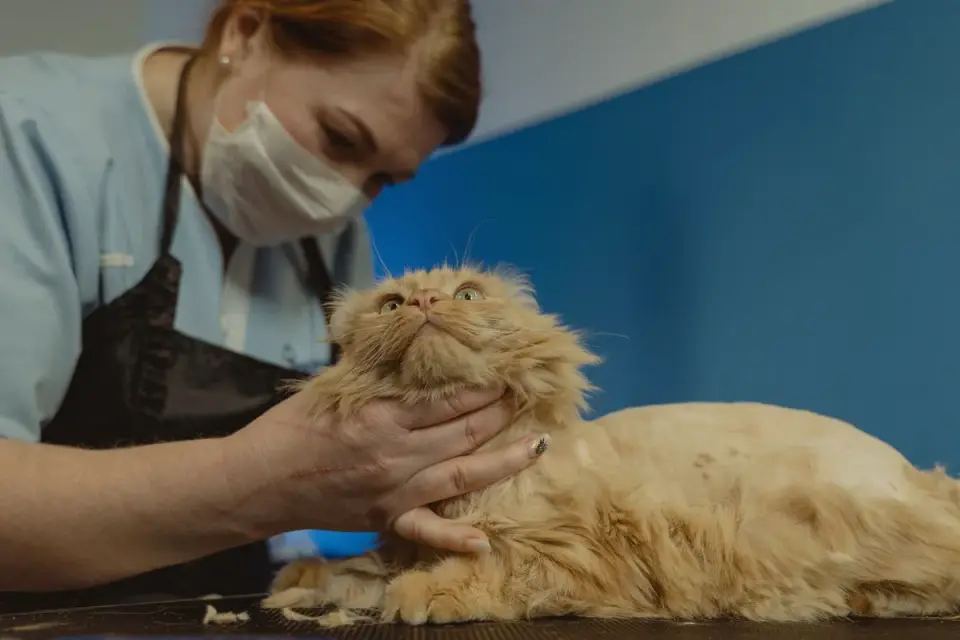
Work in good light, with the dog standing or lying on its side rather than balanced awkwardly on three legs. Spread two toes apart with one hand, angle the scissors so the tips point away from the pad, and trim in short passes rather than one long cut — a startled dog pulling a paw back mid-cut is how nicks happen, not the scissors themselves. If your dog won’t hold still for scissors, a clipper with a guard is often safer precisely because there’s no blade tip pointed at skin. I’ve had more success starting this habit on puppies during routine handling than trying to introduce it cold on an adult dog who’s never had feet touched before — that’s a separate skill worth building on its own, and it’s the same patience curve as getting a dog comfortable with nail trimming.
I’ll be honest about where the evidence gets thin here: there isn’t a controlled study telling us the optimal trim interval or proving trimmed-pad dogs have measurably fewer interdigital cysts than untrimmed ones. What we have is mechanism — friction, moisture, and debris retention are documented drivers of interdigital irritation — and a lot of accumulated clinical experience saying the dogs who get their feet checked regularly catch problems earlier. That’s a reasonable basis for a monthly habit. It’s not proof this prevents disease.
Where this fits in the bigger grooming routine
Paw trimming rarely happens in isolation — it’s usually one stop on a broader routine that includes nails, brushing, and deciding what you can reasonably handle yourself. If you’re trying to figure out where your own limits are, At-Home Grooming vs a Professional Groomer walks through that decision in more depth, and a dog who tolerates paw handling well is usually a dog who’ll tolerate a nail grinder too, since both require the same still-foot cooperation. For long-coated breeds specifically, foot trims tend to line up with broader coat maintenance — see How to Groom a German Shepherd Through Coat Blow for how that seasonal rhythm works.
Where I land
One more scene, because it’s the one that actually changed how I explain this to new clients. A Labrador mix, maybe five years old, came in during a summer heat wave for a paw the owner had been treating with antibiotic ointment for two weeks with zero improvement. When I finally got a clear look — which meant clipping back an inch of overgrown fur first — there was a grass awn buried at the base of one toe, invisible under the mat the whole time. The ointment was never going to reach it. That’s the case I think about when someone asks whether this is really necessary or just another grooming upsell: it’s not about vanity, it’s about being able to see the foot at all.
So here’s where I land: trim the fur flush with the pad every 3–4 weeks on long-coated dogs, do it with blunt-tip scissors or a guarded clipper, and use the two minutes it takes as a foot check, not just a haircut. If what you find under the fur looks inflamed, swollen, or won’t resolve with a clean trim, that’s a vet visit, not a grooming fix.
Frequently asked questions
How often should I trim the hair between my dog's paw pads?
For long-coated or feathered breeds, about every 3–4 weeks keeps fur from overgrowing the pad edge and trapping debris.
Is it safe to use regular scissors on paw fur?
Blunt-tip or curved grooming scissors are safer than straight shears because the rounded tips reduce the chance of nicking skin if the dog moves.
Sources
- Interdigital Cysts in Dogs — VCA Animal Hospitals
- Interdigital Furunculosis in Dogs — Merck Veterinary Manual