Can Dogs Eat Green Beans? What the Viral "Green Bean Diet" Gets Right
Medically reviewed by Roger Clemmons, DVM, PhD, DACVIM (Neurology and Neurosurgery), CVA, CVFT — For general education — not a substitute for veterinary care.
Yes, dogs can eat green beans in moderation, though the viral green bean diet needs a vet's guardrails first.
On this page
Yes, dogs can eat green beans in moderation, though the viral green bean diet needs a vet’s guardrails first. That’s the short version. The longer version is where most owners get it wrong, and it’s worth walking through before you dump a can into the food bowl tonight.
Imagine a food-motivated Labrador mix named Otis, pulling toward every trash can on his Tuesday-night walk, thirty pounds over where his vet wants him. His owner saw the same video three times this week: a golden retriever inhaling green beans instead of dinner, captioned something like “the vet secret for weight loss.” She’s tempted to try it that night. That instinct isn’t wrong, exactly, but it skips a step. Green beans are genuinely low in calories and high in volume, which is why the trick works as well as it does. The trend just leaves out the part where a dog still needs the rest of his diet to actually meet his nutritional needs, not just his stomach’s sense of “full.”
What’s Actually in a Green Bean
Plain green beans are mostly water and fiber, with a modest amount of vitamins A, C, and K and a small amount of protein. According to AKC, they’re safe chopped, steamed, raw, or canned, as long as they’re unseasoned, and veterinarians commonly recommend them as a low-calorie treat. That’s a real point in their favor. Where I want more precision is in how owners translate “low-calorie treat” into “diet plan,” because those aren’t the same claim.
I think about food the way I think about a neurologic workup: you want both the imaging and the exam, both the number on the label and the whole patient in front of you. A bean’s nutrient panel tells you what it contributes. It doesn’t tell you whether this particular dog, with this particular gut and this particular medical history, handles a sudden fiber load well. In traditional Chinese veterinary food therapy, string beans are generally regarded as a neutral, Spleen-supportive food, gentle rather than aggressive, and that lines up reasonably well with what the fiber and moisture content suggest in Western terms. I bring both lenses to the table because they’re asking slightly different questions, and a good answer usually needs both.
The Green Bean Diet, Weighed Honestly
The so-called green bean diet usually means swapping roughly 10 to 25 percent of a dog’s regular kibble for plain green beans, which creates a calorie deficit while keeping the bowl looking full. As a mechanism, it’s sound: fewer calories, similar volume, less begging. But green beans aren’t fortified the way a therapeutic weight-loss food is, and they’re notably short on protein, which matters for a dog trying to lose fat without losing muscle. PetMD frames it as something to run past your veterinarian rather than a standalone solution, and I’d go further: treat it as a bridge tactic inside a real weight-loss plan, not the plan itself.
Consider a beagle named Winnie, six years old, recovering from a mild bout of pancreatitis after getting into a plate of fried food at a family barbecue. Her owner wants to be proactive and starts reading about high-fiber vegetables like green beans as a “safe” filler food. It’s not an unreasonable instinct, but it skips over Winnie’s actual situation. Dogs with pancreatic disease, including exocrine pancreatic insufficiency, are managed in part through very deliberate nutritional strategy. As a review in JAVMA puts it, “EPI is treated by pancreatic enzyme replacement therapy, nutritional management (low-residue diets with moderate fat content), and supplementation of cobalamin.” A sudden increase in fiber, even from something as innocuous-sounding as a green bean, isn’t automatically the right move for a dog whose GI tract is already compromised. That’s a conversation for Winnie’s vet, not a caption on someone’s video.
Prep Rules That Actually Matter
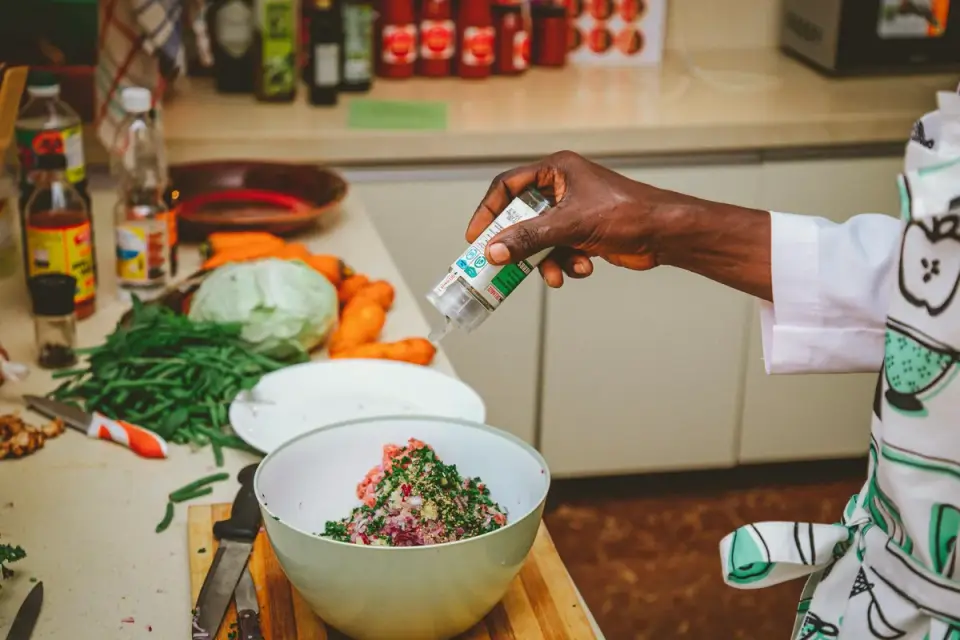
The biggest real-world risk isn’t the bean, it’s what’s attached to it. Dogster notes that canned green beans packed in salt, casseroles loaded with cream and fried onions, and beans sautéed in butter or garlic all turn a fine ingredient into a liability. Rinse canned beans well or buy no-salt-added varieties. Chop raw beans into manageable pieces, especially for small dogs, since whole beans can pose a choking risk. Skip anything cooked with onion, garlic, or heavy fat, full stop.
Fiber deserves its own caution here, too. Ramp it up too fast and you’ll see loose stool before you see any weight benefit, which is exactly the territory our guide on whether you can give a dog too much fiber covers in more depth. If you’re weighing green beans against another trending vegetable swap, our piece on feeding sweet potato walks through a similar hype-versus-evidence gap. And if the real goal is steadier digestion rather than just fewer calories, it’s worth reading how a vet-checked probiotic fits into that picture before reaching for produce alone.
The BoutiqueTok Verdict
Green beans earn their spot in the bowl. Plain, chopped, unseasoned, they’re a legitimately useful low-calorie add-in for most healthy dogs, and the instinct behind the green bean diet trend isn’t wrong, it’s just incomplete. I’d rather see it used as one lever in a plan your vet has actually reviewed than as the plan itself, especially for dogs carrying a pancreatic or GI history where fiber load isn’t a neutral choice. The counterargument I hear most is that it’s “just a vegetable,” low risk by definition. For most dogs, that’s close enough to true. For the Winnies of the world, it isn’t, and that’s the distinction worth carrying into your next kitchen decision.
Frequently asked questions
Can dogs eat canned green beans?
Only if they're plain and low-sodium. Standard canned green beans carry enough added salt that a half-cup can push a small dog over a safe daily sodium ceiling.
Is the green bean diet safe for weight loss?
It can help as a calorie-light substitute for part of a meal, but green beans don't supply complete nutrition on their own, so this only works well alongside a vet-designed weight-loss plan.
Can puppies eat green beans?
Small chopped amounts are generally fine as an occasional treat, but green beans shouldn't crowd out a growing puppy's calorie- and nutrient-dense diet.
Are raw green beans harder to digest than cooked?
Raw beans are fine for most dogs in small, chopped pieces, but some dogs with sensitive GI tracts tolerate lightly steamed beans better.