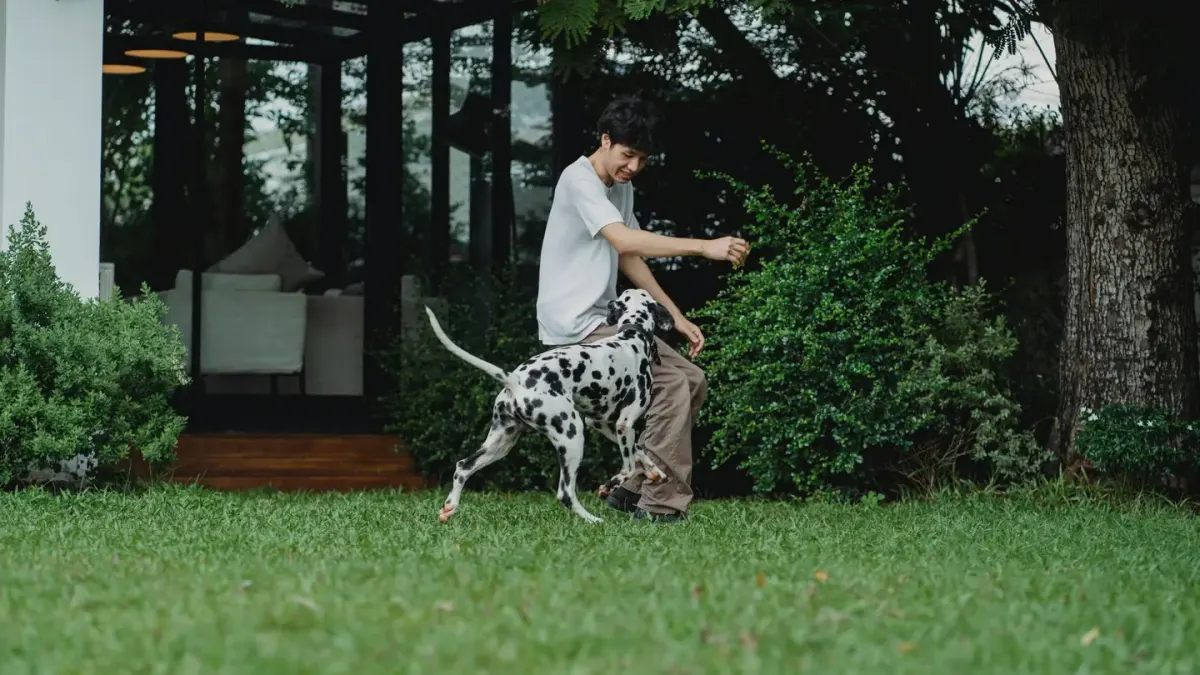
That gentle slope behind your neighborhood park might be the best strength tool your dog already has access to. You’ve got a decision fork: keep adding flat miles that mostly build stamina, or add a little incline twice a week to build hind-end muscle and body awareness. For most healthy adult dogs, the hill wins — if you dose it like medicine, not like a workout montage.
Judy in Lexington-Fayette, Kentucky, was weighing that exact choice with Mica, her 5-year-old spayed female Brussels Griffon mix. Mica wasn’t limping, but she was quitting on the last block and scrambling to jump into the car. Instead of pushing a longer flat loop, Judy tried four short uphill passes on a grassy park slope, with flat sniff breaks between, three days that first week.
Should your dog try hill reps or stick to flat walks?
Hill walking loads the glutes, hamstrings, and core more than flat walking without the impact of running or jumping. That’s why rehab and sports-medicine programs use incline as a controlled strength builder.
Stick to flat for now if your dog is under 6 months and still growing fast, is recovering from surgery or a sprain, pants heavily after five minutes on level ground, or has been diagnosed with collapsing trachea, severe arthritis, or heart disease. Healthy adults, bouncy adolescents, and fit seniors with good mobility are usually the best candidates.
A common question is whether small dogs get anything from hills. They do, but grade and surface matter more for them. A low, grassy rise you barely notice can be plenty for a 10-pound dog.
What does a safe starter week look like?
Think easy, short, and boring on purpose. You’ll need a grass or packed-dirt slope you can walk up in 20 to 30 seconds, a 6-foot leash and harness, water, and 20 minutes total.
Start every session with 5 to 10 minutes of flat warm-up at a sniffing pace. Then walk — don’t jog — up the hill once with your dog at your side, shoulders loose. Let your dog set the pace. Walk down slowly or loop around on the flat for 1 to 2 minutes, then repeat.
Week 1: 2 sessions, 3 to 4 climbs per session.
Week 2: 2 sessions, 4 to 5 climbs if breathing recovered within two minutes last week.
Weeks 3 to 4: add one climb per session or pick a slightly longer slope, not a steeper one.
That’s the whole trick.
Keep grades modest, around what feels like a wheelchair ramp to a gentle sled hill. Avoid hot asphalt, slick mud, and off-leash sprints downhill, which hammer shoulders and toes. Uphill is the work; downhill should be recovery.
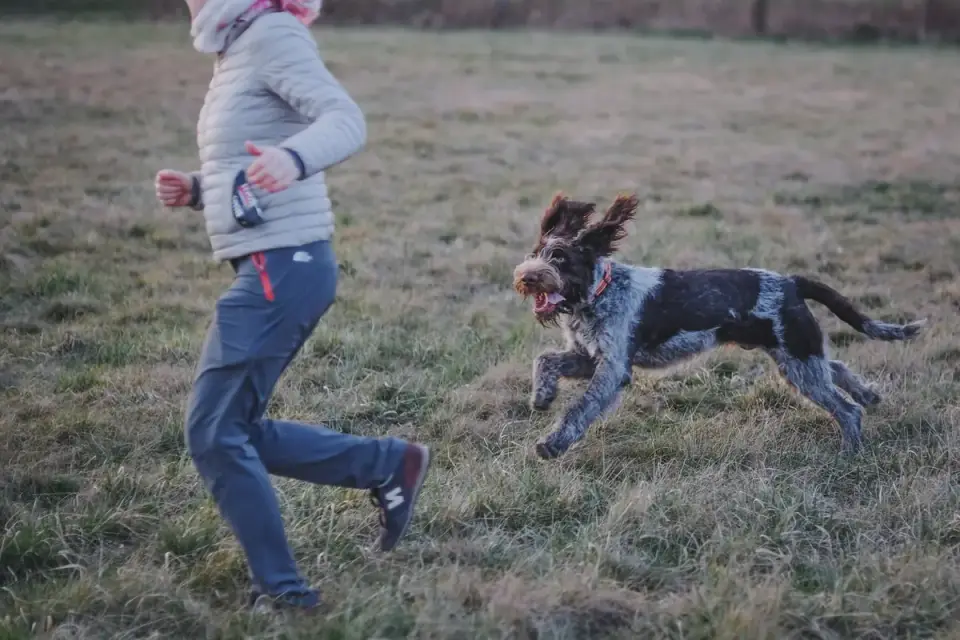
General conditioning references like Merck emphasize gradual progression and rest days for dogs, and that principle fits hills perfectly. If you want more ideas for trading miles for smarter movement, compare this approach with Dog Treadmill vs Outdoor Walking: What the Evidence Actually Supports and Swimming vs Walking for an Arthritic Dog: Which One Actually Protects the Joint?.
Food and supplements support the work, but they don’t replace it. Weigh what a supplement can realistically do for diet, mobility, and recovery: a complete diet plus consistent training builds muscle, while joint ingredients may help support normal mobility during that training. They won’t make an unconditioned dog strong. If you use them, look for clear labels with named actives and lot control, the kind of quality system described by the NIH Office of Dietary Supplements for human products and applied to pets through third-party verification programs.
When do you push, pause, or call your vet?
Push a little when your dog pulls happily toward the hill, recovers to easy breathing in under two minutes, and moves normally the next morning. That’s adaptation.
Pause the session if you see lagging behind, wide veering, heavy open-mouth panting that doesn’t settle, sitting down mid-hill, or a shortened stride behind. Cool down on the flat, offer water, and call it a day.
Call your vet before the next hill day for limping, stiffness the morning after that lasts more than 24 hours, coughing or wheezing, pale gums, or a senior dog like Tiramisu’s age group that suddenly struggles with stairs after a hill day. Vets often see weekend overdoers who did six steep reps on day one instead of three easy ones.
You’ll know it’s working when that last block stops being a negotiation. Most owners notice steadier trotting, cleaner jumps into the car, and less scrambling on slick floors within three to four weeks. Keep the routine in your week twice, keep flat sniff walks for joy, and let the hill stay easy enough that your dog still wants one more.
Frequently asked questions
How steep should the hill be for a beginner dog?
Pick a grassy slope you can walk up in 20 to 30 seconds without getting winded. If your dog has to scramble or you need to lean hard forward, it is too steep to start.
How often should we do hill walks?
Twice a week with at least one rest or flat-only day between is plenty for most healthy adult dogs. Add one rep per session, not extra days, when progress is going well.
Is downhill bad for joints?
Slow downhill walking is usually fine, but fast downhill running adds braking impact on shoulders and toes. Walk down slowly or loop back on flat ground to recover between climbs.
Sources
- Merck Veterinary Manual — Merck
- Office of Dietary Supplements Home — NIH Office of Dietary Supplements