How to Calm a Dog During Thunderstorms: A Layered Plan That Actually Holds Up
Medically reviewed by Margo Roman, DVM, CVA, COT, CPT, FAAO — For general education — not a substitute for veterinary care.
Calming a dog through thunderstorms works best as layered support, not a single miracle chew from your feed.
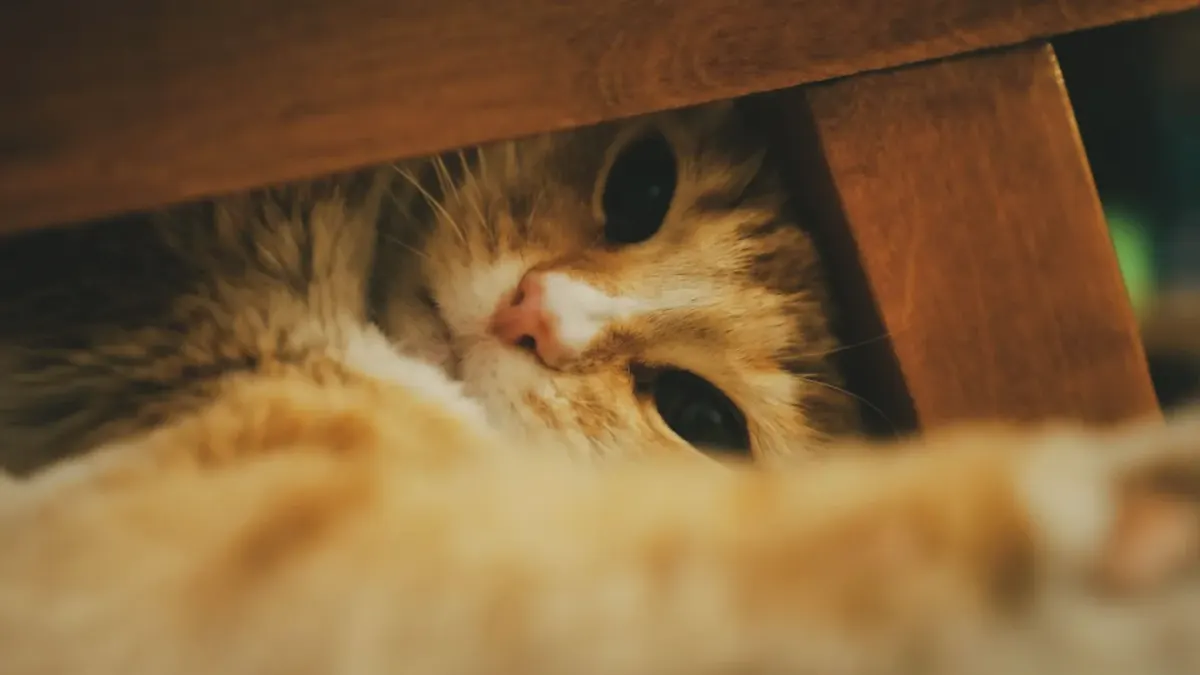
Here is the fork most owners hit around the first real storm of the season: reach for whatever calming chew is trending this month, or actually build a plan. Only one of those holds up past the second thunderclap.
Storms are not just noise. A dog’s ears pick up infrasound well below human hearing, the barometric pressure drops before the rain does, and static charge builds in a coat long before lightning shows on the horizon. That is three separate stressors stacked on top of each other, which is exactly why a dog can start pacing, drooling, or trying to wedge behind the toilet a full hour before anyone else in the house notices the sky changing. Treating that as a single-symptom problem, solvable with a single product, is where most storm-anxiety plans fail.
Imagine a five-year-old herding mix named Otis who has always tolerated fireworks fine but falls apart completely at the first rumble of a summer storm — shaking, hiding under the bed, refusing food he’d normally inhale. His owner tries a calming chew from a video she saw three times that week, gives it once, twenty minutes before the storm hits, and is disappointed when it does not touch the panic. The chew was not necessarily wrong. It was asked to do a job — real-time crisis control — that a slow-acting supplement was never built for. That gap between what a product is marketed to do and what its ingredients are actually studied to do is the whole reason a layered plan beats a single fix.
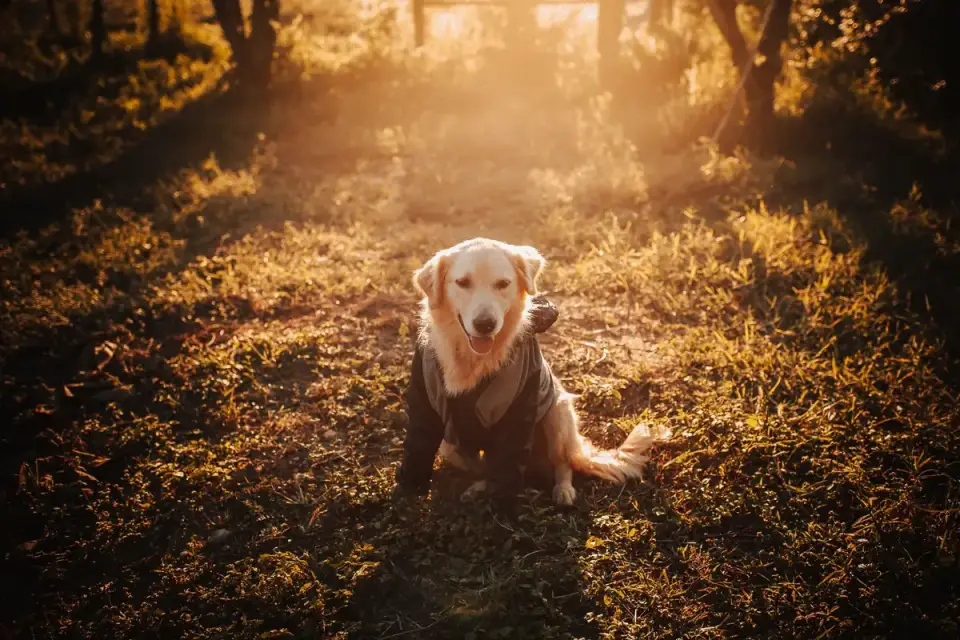
Layer one is environment, and it is not optional. A dark, interior room, away from windows, with a fan or white noise running, blunts both the sound and the flash. A snug-fitting wrap applies constant, gentle pressure, which some dogs settle into the way a swaddle settles an infant. None of this requires a purchase decision, and none of it should be skipped in favor of jumping straight to a supplement aisle.
Layer two is where named, dosed ingredients earn their place, and where I get decisive rather than hedging. Chamomile shows up constantly in calming products, and a review in Biomedicines is candid about the limits of that popularity: for most species, including dogs, the evidence is derived mainly from preclinical studies or traditional use, not controlled clinical trials. That is not a reason to dismiss chamomile. It is a reason to treat it as gentle, traditionally supported, and unproven at the level of a prescription drug — which is a very different message than what the trend videos imply. For a side-by-side look at chamomile against another herbal favorite, see Chamomile vs. L-Tryptophan for Calming Dogs.
KSM-66 ashwagandha has a stronger paper trail, though it is worth being precise about where that trail runs. A systematic review in Cureus analyzed multiple randomized controlled trials and concluded that ashwagandha has a moderate positive impact on stress reduction and cognitive performance — but that body of work is built on human trials, not canine ones. I still find it the most credible named active in the calming aisle right now, and I would rather layer it in early than lean on it during an active storm. L-theanine sits in a similar spot: a review in Molecular Psychiatry found meaningful support for its calming effect across most anxiety contexts studied, except for one study on psychotic anxiety, at a dose of 400 mg/day for eight weeks — again, human data, again a reason to treat it as a supporting layer rather than the whole answer for a dog.
Consider a second scene: a lab-mix rescue named Della who came from a shelter with no known storm history, now living with an owner who wants to get ahead of a problem that has not shown up yet. That owner starts desensitization audio at low volume weeks before storm season, introduces a wrap on calm days so it is not a novel stressor mid-panic, and only then discusses a chamomile or L-theanine trial with her veterinarian. By the time the first real storm arrives, nothing about the routine is new. That sequencing — environment and habituation first, ingredients layered in early, nothing attempted for the first time during an actual storm — is the difference between a plan that holds up and one that just adds another product to the pile. If you are also trying to separate genuine anxiety from a medical issue that mimics it, Signs Your Dog Needs a Calming Supplement is a useful gut check, and the same handling-and-habituation logic carries over well to preparing a dog for a vet visit.
The honest counterargument here is that owners want something that works tonight, and layered plans built weeks in advance are a hard sell when the forecast already shows lightning. I do not dismiss that pressure. But a chew given twenty minutes before a storm is asking a slow, cumulative ingredient to behave like a fast-acting sedative, and that mismatch is exactly what leaves owners feeling like nothing on the market works. Two days before the next storm in the forecast, set up the room, get the wrap on your dog during a calm afternoon so it stops being novel, and if you are trying a chamomile or L-theanine product, start it now rather than at the first flash of lightning.
Frequently asked questions
Can I just give my dog a calming chew during the storm and call it done?
A chew alone rarely holds up once thunder is already loud. Ingredients like L-theanine and KSM-66 ashwagandha have real, cited backing for stress support, but they work best layered with environmental changes and started before the storm, not mid-crisis.
Is melatonin the same thing as a calming supplement?
No. Melatonin is a hormone with its own dosing and safety profile, distinct from herbal or amino-acid calming actives, and it deserves its own conversation with a veterinarian rather than a blanket recommendation here.
How far ahead should I start a calming routine before storm season?
Weeks, not hours. Layered plans (safe space training, desensitization, and any supplement trial) need time to show whether they are actually helping before the first real storm arrives.
Sources
- Chamomile and Other Botanicals for Anxiety and Stress: A Review — Biomedicines
- Ashwagandha (KSM-66) for Stress Reduction: A Systematic Review — Cureus
- L-Theanine and Anxiety: A Review of Clinical Trials — Molecular Psychiatry