Quercetin vs. Resveratrol for Dog Aging: Which One Actually Earns a Spot in the Bowl
Medically reviewed by Michael Astor, DVM — For general education — not a substitute for veterinary care.
Quercetin and resveratrol both trend hard for canine aging, but only one has a real dog-specific dose behind it.
On this page
Why is my aging dog’s TikTok feed suddenly full of purple bottles? That’s roughly how the conversation starts with owners who bring me screenshots instead of symptoms. The question underneath it is always the same: quercetin or resveratrol — which polyphenol is actually worth putting in an eleven-year-old dog’s bowl, and which one is riding the coattails of a human longevity trend that hasn’t finished translating to veterinary medicine.
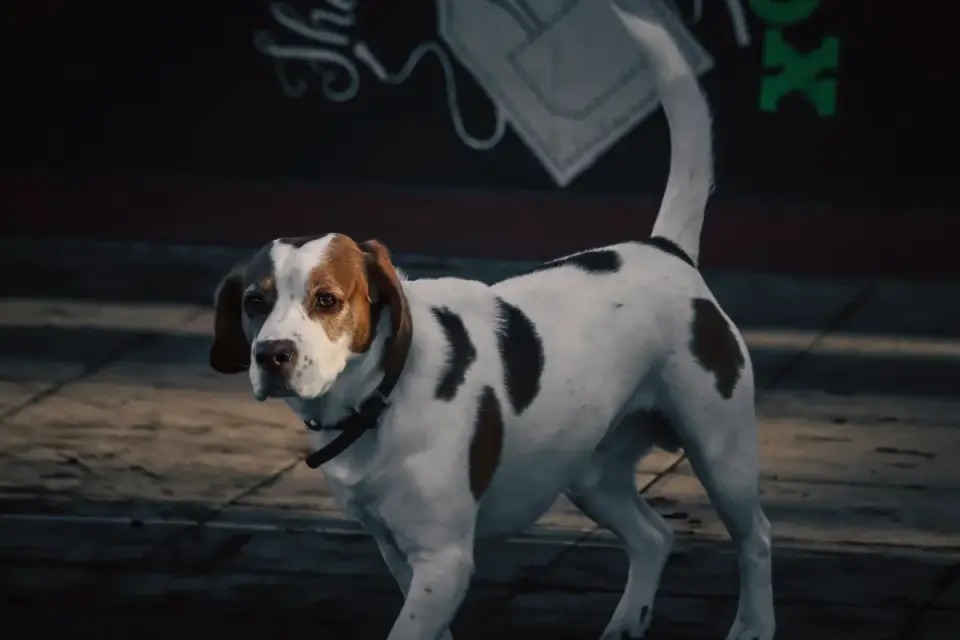
I worked up a twelve-year-old spayed female beagle mix last spring — thirty-one pounds, mildly overweight, owner tracking her mobility on a spreadsheet because she’d read that senolytics could “reset” cellular aging. The dog was stiff after naps, slower on stairs, but bloodwork and orthopedic exam were unremarkable for her age. The owner had already bought a quercetin-dasatinib combo product marketed for senior dogs based on a single viral video. Before we changed anything, I wanted to walk through what quercetin and resveratrol are each actually doing at the cellular level, because the two get lumped together constantly and they are not interchangeable.
What quercetin is actually doing in an aging dog
Quercetin is a plant flavonoid, and its most-discussed mechanism in aging research is senolysis — selectively clearing senescent (“zombie”) cells that accumulate with age and secrete inflammatory signals. A PMC-indexed study of senolytic drugs found that dasatinib and quercetin in combination reduced senescence markers and adipose tissue inflammation, improving metabolic function in aged research subjects. That is the mechanism the marketing leans on. Where the picture gets thinner is dog-specific dosing: a review by researcher Anton Beynen, ResearchGate: Beynen AC, 2020. Quercetin for dogs, notes that acute and chronic toxicity data in dogs specifically are unavailable, though one feeding trial using roughly 33.3 mg/kg dietary dry matter for six weeks reported no adverse effects. That is a tolerability signal, not a proven-effective aging dose. I keep that distinction sharp with owners: “well tolerated at this level” and “shown to slow aging in dogs” are two different sentences, and only the first one is currently defensible.
Where resveratrol’s evidence differs — and why the dose matters
Resveratrol, the polyphenol famous for the “red wine” headlines, has actually been through more formal toxicology work in dogs than quercetin has. A subchronic oral toxicity and cardiovascular safety study, PubMed: Subchronic oral toxicity and cardiovascular safety pharmacology studies of resveratrol, dosed beagles at 0, 200, 600, or 1200 mg/kg/day for 90 days. The no-observed-adverse-effect level landed at 600 mg/kg/day; the only consistent finding at the highest dose was reduced body weight gain, and telemetry monitoring showed no cardiovascular toxicity. That is meaningfully more rigorous ground than quercetin currently stands on in dogs — a real dose-response curve, in the actual species, over a real timeframe. It does not prove resveratrol slows aging in dogs. It proves the compound has a known safety margin at doses far beyond anything in a commercial chew, which is the boring, useful kind of data an internist actually wants before recommending anything long-term.
The counterargument I hear most from owners is that quercetin has the more exciting story — senolytics, “zombie cells,” the framing that made dasatinib-quercetin combinations famous in human longevity circles. I don’t dismiss that mechanism; it’s real and worth watching. But excitement about mechanism isn’t the same as dog-specific dosing data, and right now resveratrol has the safety pharmacology quercetin still lacks. If I’m choosing which ingredient to feel more confident recommending at a stated dose today, on the current evidence, I land on resveratrol — not because it’s flashier, but because its toxicology package in dogs is more complete.
A case that changed how I frame this conversation
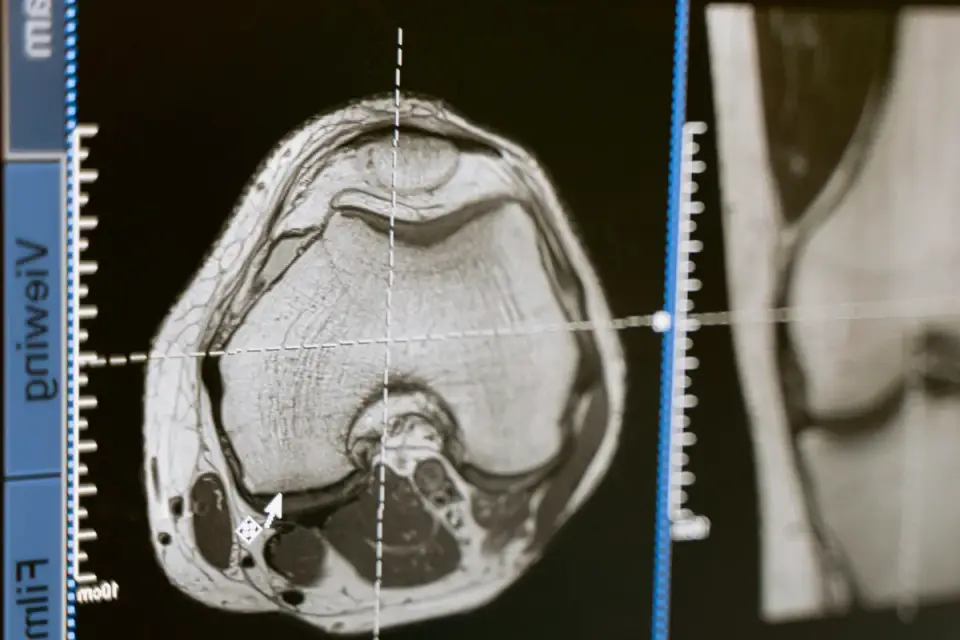
That beagle mix owner and I ended up having a longer talk than either of us expected. She wanted a supplement to reverse aging; I wanted her to understand what “supportive” actually means in this context. Two months in, we hadn’t started either polyphenol — I’d asked her to hold off until we ruled out early orthopedic disease with imaging, since stiffness after rest in a mildly overweight senior dog deserves a differential before it gets treated as generic aging. When the workup came back clean for structural disease, we discussed resveratrol as a supportive option specifically because the toxicology data gave me a dose range I could actually defend, not because I was promising her dog would move like a puppy again. That’s the conversation I wish more of the viral posts included: what a supportive supplement realistically does versus what an owner hopes it will do.
Form factor matters here too, separate from the ingredient debate — how a polyphenol is delivered changes what actually reaches circulation, which is worth understanding regardless of which one you choose; I go through that mechanically in Chew vs Powder vs Liquid Supplements: Which Form Actually Works?. And if the presenting complaint is stiffness rather than general “aging,” it’s worth ruling out the more common culprit first, which I walk through in Arthritis vs. Normal Aging Stiffness in Dogs: How to Actually Tell.
So which one actually earns the spot in the bowl
Neither ingredient has a landmark canine aging trial behind it yet — that needs to be said plainly, because the trend cycle moves faster than the research does. Quercetin’s senolytic mechanism is genuinely interesting and worth continued attention as the dog-specific data matures. But on what’s verifiable today, resveratrol carries the more complete safety picture in dogs, with an actual dose-response curve from a 90-day study rather than a single six-week tolerability trial. If an owner is choosing one polyphenol to discuss with their vet for a senior dog, I point them toward the one with the dosing data to back a real conversation, and I’m honest that “supportive” is the ceiling of what either can currently promise.
Where this heads next: as more canine-specific senolytic trials publish, I expect quercetin’s evidence base to catch up, and that’s worth revisiting in a year rather than assuming today’s gap is permanent.
Frequently asked questions
Can I give my dog quercetin and resveratrol together?
Some products combine them, but because dog-specific dosing data for quercetin is still limited, I'd rather a vet review the combination and any drug interactions — quercetin can affect P450 liver metabolism pathways — before layering both.
Is resveratrol the same thing as the "red wine" supplement?
It's the same compound found in grape skins, but supplement-grade resveratrol used in the dog toxicology studies is a purified form, not a wine-derived extract.
Sources
- Subchronic oral toxicity and cardiovascular safety pharmacology studies of resveratrol, a naturally occurring polyphenol with cancer preventive activity — PubMed
- Beynen AC, 2020. Quercetin for dogs — ResearchGate
- Senolytic drugs, dasatinib and quercetin, attenuate adipose tissue inflammation, and ameliorate metabolic function in old age — PMC (National Library of Medicine)