
On this page
A grocery run or a crowded airport is either a carry-the-puppy trip or a leave-the-puppy-home trip — pick based on vaccines, crowds, and whether your puppy still gets to walk that day.
Carry Now or Leave Home?
If your puppy is under 16 weeks and still finishing shots, a farmers market floor is not the place for paws down. Carry for safety, then give that puppy a sniff walk in a low-dog-traffic spot later. If your puppy is fully vaccinated and the errand is calm and short, clip on a harness and practice walking.
In practice, vets often see owners get stuck in carry mode long after vaccines are done. The puppy rides everywhere, misses leash practice, then pulls and panics at 7 months because walking itself feels new. A carrier supports socialization when it lets a young puppy watch the world safely. It does not maintain social skills on its own.
Colleen in Broken Arrow, Oklahoma learned this with Tasha, her 8-month-old spayed female Maltipoo. Tasha rode through a busy outdoor market in a front pack for about 20 minutes, then Colleen set her down on a quiet side street for a 10-minute walk-and-sniff. Same outing, both needs met.
What Holds Up on TikTok vs. What Holds Up IRL
Soft slings look cute on video, but most leave the puppy loose, low, and one wiggle from the pavement. For errands, look for structure first: a firm bottom, short interior tether clipped to a harness (never a collar), mesh that zips fully closed, and a strap you can tighten so the bag does not swing.
Then match the style to the job. A chest sling works for a tiny puppy held close for 15 minutes inside a store. A structured front pack or backpack with ventilation on three sides handles longer carries and wiggly puppies better. A hard-sided or soft-sided airline-style tote works best for buses, subways, and flights where the puppy needs to stay fully contained.
Stop and check fit before you buy. Nose and eyes stay clear, elbows tuck without bracing against mesh, and you can slide two fingers under any chest strap. If the puppy pants with mouth open the whole ride, overheats fast, or tries to launch out, that carrier is the wrong size or the wrong trip.
When I Say Yes to Carrying
I still recommend a carrier in three situations. Puppies finishing their initial series benefit from being carried through high-traffic dog areas, which lines up with the American Animal Hospital Association guidance to balance socialization with infection risk. Tiny or post-surgery puppies benefit on long concrete stretches they cannot walk yet. Any puppy benefits in a crush — transit platforms, festivals, off-leash-chaos pet stores.
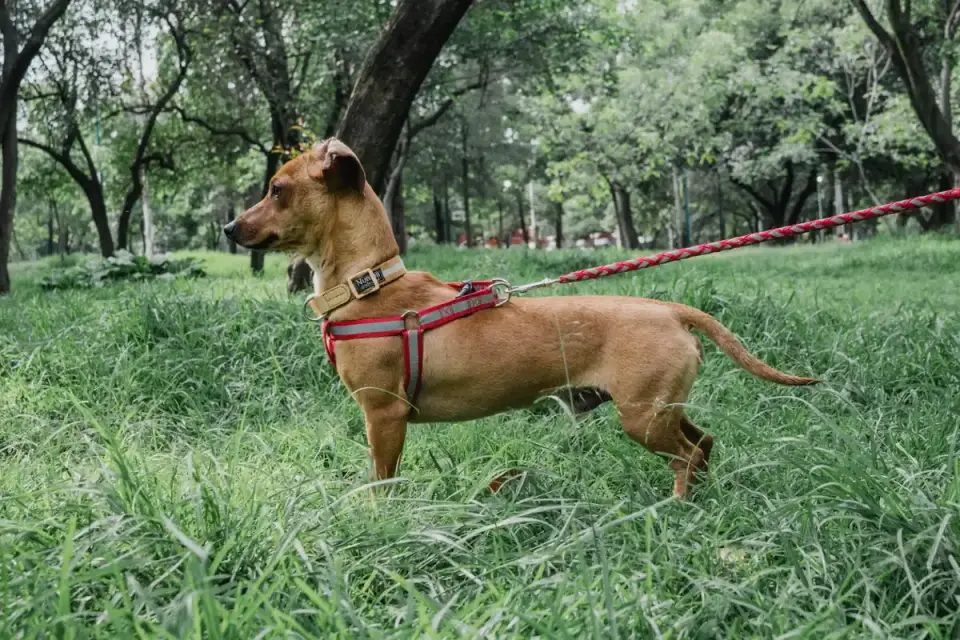
Pair the carrier with ground time. Let the puppy walk the quiet parking lot on a front-clip harness before going inside, or do a decompression walk after. Keep leash pressure light; if you use a longer setup for training, our breakdown of Biothane vs nylon vs leather long lines explains what actually holds up. And skip stretchy leashes for this — a fixed leash gives you cleaner control around carts and doors, as explained in bungee vs. fixed leash for a lunging dog.
When the Carrier Becomes the Problem
Here is where I get blunt in day-to-day practice: if the carrier is replacing walks, retire it for a week. Puppies need to practice loose-leash walking, sniffing, resting on a mat, and recovering after a scare. None of that happens zipped inside a bag. Evidence for prevention is thin here — no carrier prevents behavior problems by itself — and carrying too long may help maintain avoidance in nervous puppies.
Watch for the red flags. Your puppy stiffens when set down, refuses treats outside the bag, pants only when carried, or has outgrown the weight limit and sags the bottom. Time to switch to leash training, not a bigger bag.
For flights or long travel days, check rules before you shop. Most U.S. airlines require a leakproof carrier that fits under the seat, and international trips add health paperwork. The American Veterinary Medical Association has a practical travel checklist for fit, ventilation, and acclimation, and the Centers for Disease Control and Prevention lists current dog entry requirements if you cross borders.
Buy for the trip you take weekly, not the vacation you might take once. For most owners that means a structured, washable tote or backpack with a harness tether, mesh windows, and a weight limit at least 2 pounds above your puppy’s current weight. Use it as a bridge, then let those paws do the work.
Frequently asked questions
Can I take my unvaccinated puppy to the store in a carrier?
A fully zipped carrier with no paws on floors or carts lowers contact risk, but it does not remove it. Keep trips short, avoid pet-store floors and dog parks, and ask your veterinarian about timing based on local parvovirus and distemper risk.
How long can a puppy stay in a carrier?
Keep errand rides to 30 to 45 minutes with a potty and walk break, less for young puppies in warm stores. If your puppy pants heavily, whines, or slumps, end the ride and offer water and rest.
Should I clip the carrier tether to a collar?
No. Clip the short interior tether to a snug harness to protect the neck if the bag tips or the puppy lunges. Keep the tether short enough that the puppy cannot climb out.
Sources
- 2022 AAHA Canine Vaccination Guidelines — American Animal Hospital Association
- Traveling With Your Pet — American Veterinary Medical Association
- Bringing a Dog into the United States — Centers for Disease Control and Prevention